
Home › Services › Water Heater (Geyser) Repair › Electric Storage Geyser Repair
Water Heater (Geyser) Repair
Electric Storage Geyser Repair
Delhi NCR electric storage geyser repairs done properly — full diagnosis, an upfront price, genuine spare parts and warranty available on eligible repairs. Many faults are fixed in a single visit.
Doorstep service · Warranty available on eligible repairs · Upfront pricing · Genuine spare parts · Experienced technicians
Overview
Why electric storage geyser faults behave differently in Delhi NCR
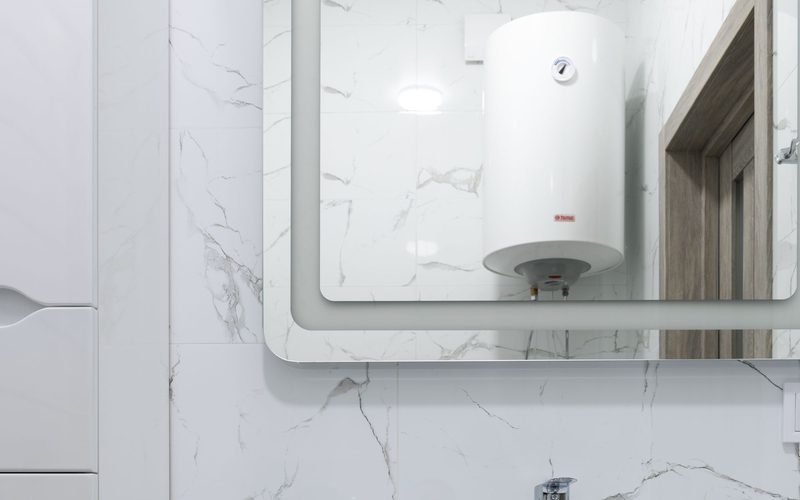
An electric storage geyser heats a tank of water and holds it hot, which is why it delivers a steady supply for a full bath and why it is the most common water heater in Indian homes. Its faults are almost entirely predictable — element, thermostat, scale, anode and tank — and all but the last one are straightforward, economic repairs.
We repair electric storage geysers across Gurgaon, Noida, Delhi and Faridabad. What fails first genuinely differs by city — water hardness, supply voltage, dust load and the age of the housing all push the fault pattern in different directions — so the city pages below carry that local detail rather than repeating a single national answer.
Most of what we attend is diagnosable in one visit and repairable in the same one. The exceptions are usually parts availability rather than complexity, and we will tell you where you stand before you commit.
What We Do
Where electric storage geyser problems usually start
Each of these is diagnosed on site before anything is quoted.
Heating Element Replacement
Burnt-out and heavily scaled elements replaced, with the earth leakage a cracked element causes tested as part of the job.
Thermostat & Thermal Cut-out
Thermostats that no longer switch and thermal cut-outs that have tripped — replaced, never bypassed.
Tank Descaling
Scale stripped from the tank and element, restoring both heating speed and the hot water the tank should hold.
Anode Rod & Tank Life
Sacrificial anode inspection and replacement — the single most effective thing you can do to extend tank life.
Symptoms
The warning signs we would not ignore
Any one of these is worth a diagnosis — several of them together usually means the fault has been building for a while.
- Water is only lukewarm no matter how long it heats
- The geyser trips the MCB or ELCB when switched on
- A rumbling or kettle-like boiling noise from the tank
- Hot water running out much faster than it used to
- Rusty or discoloured water from the hot tap
- The indicator light is on but nothing heats
Process
How the visit actually runs
You know the price before stage four.
01
Book a slot
Tell us the type and capacity. Electric storage, electric instant, gas storage and gas instant are four different fault sets.
02
Safety check first
We check earthing, the isolator and, on gas units, the ventilation first. An unsafe installation gets said before anything else.
03
Price confirmed first
You are told what failed, what it costs, and whether descaling alone would solve it.
04
Repair and descale
Element, thermostat or valve replaced, and the tank descaled so the new part does not fail the same way.
05
Tested and handed over
The unit is refilled, purged, heated and leak-checked, earth continuity re-tested, and the warranty handed over.
Why NTS
What makes our Electric Storage Geyser Repair different
Booked around your day
Tell us when suits you and we will confirm the earliest slot we can actually keep, rather than one we cannot.
One visit wherever possible
The technician loads the likely parts before setting out, based on what you describe at booking. Most jobs finish without a second trip.
The price before the work
You are told what has failed and what it costs before anything is opened up. Nothing is dismantled on the assumption you will pay for whatever is found.
A warranty you can hold
Warranty available on eligible repairs, plus the manufacturer warranty on any part fitted. Same fault inside that period, we return at no charge.
Brands
Which brands we work on
AO Smith
Racold
Bajaj
Havells
V-Guard
Crompton
Venus
Usha
Hindware
Jaquar
Orient
Kenstar
Independent multi-brand service provider. Not affiliated with or authorised by the manufacturers listed.
FAQ
electric storage geyser repair questions, answered
Why does my geyser take so long to heat now?
Scale on the heating element. A coated element cannot transfer heat into the water efficiently, so heating time climbs and the electricity bill climbs with it. It is fixed by descaling the tank and element, and on hard water supply it needs doing roughly once a year.
What does the rumbling noise from my geyser mean?
Sediment and scale have built up on the tank floor, and water trapped underneath is boiling and forcing its way out — which is exactly what a kettle does. It is a clear sign the tank needs descaling, and left alone it will take the element with it.
How often should the anode rod be replaced?
Every three to five years, or sooner on hard water. The anode corrodes deliberately so the tank does not, and once it is consumed the tank starts corroding instead. Replacing an anode is inexpensive; replacing a geyser because the tank rusted through is not.
My geyser is leaking. Can it be repaired?
It depends where from. Leaks at the inlet or outlet connections, the element gasket or the pressure relief valve are all repairable. A leak from the body seam means the inner tank has corroded through, and that cannot be repaired safely at any price — we will tell you straight away.
Why has my geyser stopped heating properly?
Usually one of three things: a burnt-out heating element, a failed thermostat, or scale coating the element so thickly that it can no longer transfer heat into the water. On hard water supply the third is the most common by a wide margin, and descaling fixes it.
Your City
Where do you need Electric Storage Geyser Repair?
Pick your city for local response times, coverage areas and the fault patterns we actually see there.
Book Now
Tell us what has gone wrong
Send the form and we will call you back to confirm a slot.
Rather talk to someone?
Call and describe the fault. We will tell you what is likely wrong, what the visit involves and whether we can cover your address.
We call you back to confirm the slotThe technician diagnoses the fault at your homeYou approve the cost before any work starts
Need Electric Storage Geyser Repair today?
Mon–Sat 8:00 AM – 9:00 PM · Sun 9:00 AM – 6:00 PM.